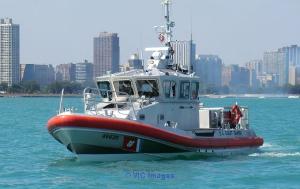
Description
Seller-provided details for this listing.
Boaters in BC are lucky to have nearly twelve months of boating weather. Unluckily, those twelve months see frequent boating accidents -- often caused by seemingly mundane events. Heres a common sense guide to avoiding boating accidents.
Lacking proper safety gear: Too many boaters dont pay attention to the safety gear on their boat. Its not enough to simply have the right number of life jackets on board. You need to make sure life jackets fit, and are properly adjusted to the people who wear them. They also need to be worn at all times, or at a minimum, easily accessible. You might think having one nearby is good enough, but its unlikely youll ever get it on once in cold water. You only have a few moments of coordinated movement before muscles shut down.
Ignoring the weather: Keeping an eye on the weather is as important as maintaining a lookout while piloting a vessel. Dont leave port in the face of questionable weather, and never leave port without even checking for that news.
Running out of gas: You can miscalculate your return bearing and find yourself far from home and beyond your fuel range. Before you leave the dock, take stock. Calculate the fuel you think youll need to go out, play or fish, and return safely to port. Then add 10 to 20 percent more.
Running aground: Many times grounding leaves you in the water but on a sandbar. Too many boaters are eager to yank their craft off the rocks and end the humiliating episode. Before you do, go below to make sure the bilge isnt filling with water through a crack in the hull. Its better to be safely aground than to take on water and risk sinking.
Ignoring Fire Hazards: Always sniff the bilge for stray fuel fumes before departing. Look for signs of leakage like obvious fuel on the bottom or a rainbow-like slick on bilge water. Make sure you have the proper -- working -- fire extinguishers on board for fuel or electrical fires.
Speeding at night: At night, you cant always trust
Lacking proper safety gear: Too many boaters dont pay attention to the safety gear on their boat. Its not enough to simply have the right number of life jackets on board. You need to make sure life jackets fit, and are properly adjusted to the people who wear them. They also need to be worn at all times, or at a minimum, easily accessible. You might think having one nearby is good enough, but its unlikely youll ever get it on once in cold water. You only have a few moments of coordinated movement before muscles shut down.
Ignoring the weather: Keeping an eye on the weather is as important as maintaining a lookout while piloting a vessel. Dont leave port in the face of questionable weather, and never leave port without even checking for that news.
Running out of gas: You can miscalculate your return bearing and find yourself far from home and beyond your fuel range. Before you leave the dock, take stock. Calculate the fuel you think youll need to go out, play or fish, and return safely to port. Then add 10 to 20 percent more.
Running aground: Many times grounding leaves you in the water but on a sandbar. Too many boaters are eager to yank their craft off the rocks and end the humiliating episode. Before you do, go below to make sure the bilge isnt filling with water through a crack in the hull. Its better to be safely aground than to take on water and risk sinking.
Ignoring Fire Hazards: Always sniff the bilge for stray fuel fumes before departing. Look for signs of leakage like obvious fuel on the bottom or a rainbow-like slick on bilge water. Make sure you have the proper -- working -- fire extinguishers on board for fuel or electrical fires.
Speeding at night: At night, you cant always trust